
Hospitality guest rooms
Romo ties each swatch to color direction, use case, cleaning expectation, flame-code question and memo timing.
Romo organizes upholstery and drapery fabric review around colorway, memo samples, durability expectations and contract documentation.
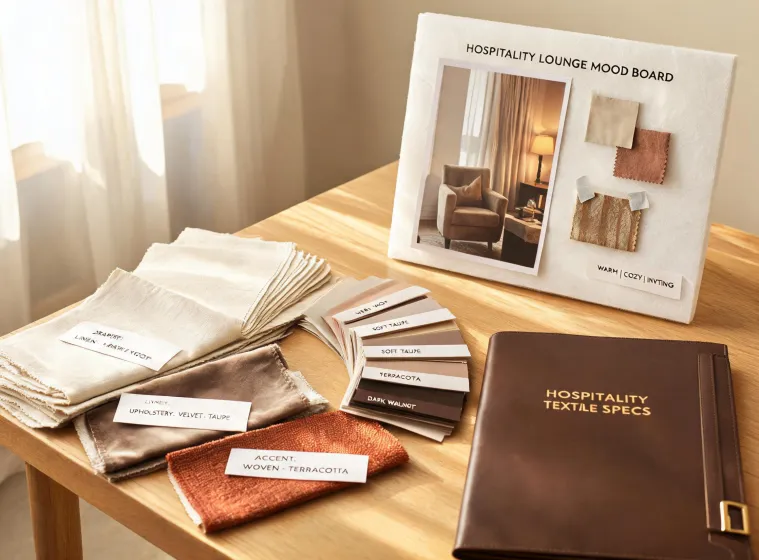
The horizontal lane gives designers a quick scan across rooms while keeping the same memo sample workflow behind every card.
Romo ties each swatch to color direction, use case, cleaning expectation, flame-code question and memo timing.

Romo ties each swatch to color direction, use case, cleaning expectation, flame-code question and memo timing.

Romo ties each swatch to color direction, use case, cleaning expectation, flame-code question and memo timing.

Romo ties each swatch to color direction, use case, cleaning expectation, flame-code question and memo timing.
Each item turns an aesthetic preference into something purchasing, design and compliance can all read.
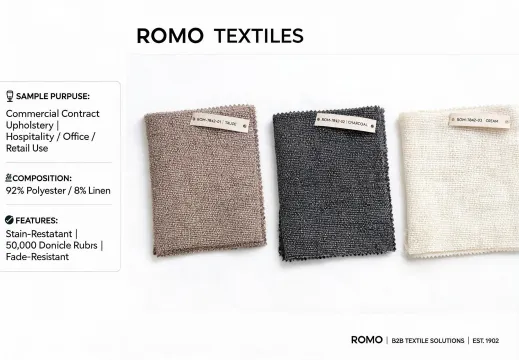
The trade desk records room, color family, hand feel, cleaning expectation and memo date so design intent does not get lost when purchasing asks for evidence.
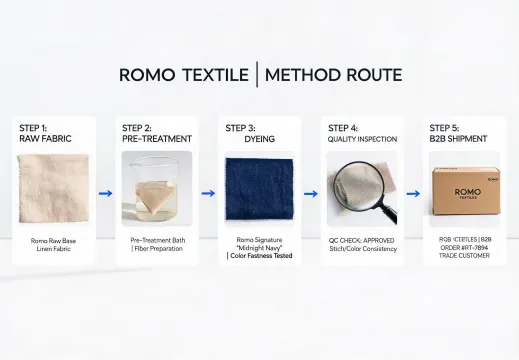
The trade desk records room, color family, hand feel, cleaning expectation and memo date so design intent does not get lost when purchasing asks for evidence.
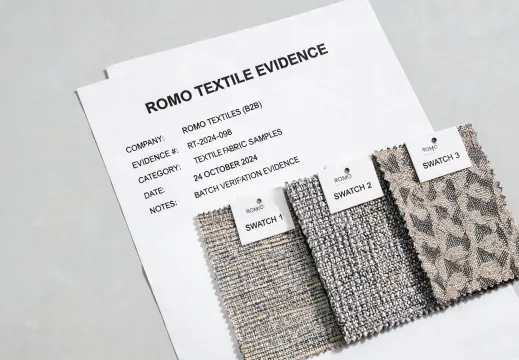
The trade desk records room, color family, hand feel, cleaning expectation and memo date so design intent does not get lost when purchasing asks for evidence.
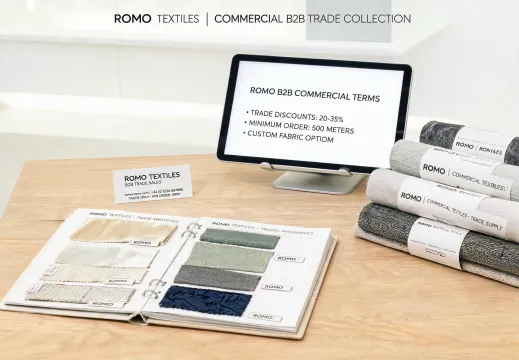
The trade desk records room, color family, hand feel, cleaning expectation and memo date so design intent does not get lost when purchasing asks for evidence.
“Romo makes fabric review feel calm: color, hand, cleanability, memo timing and commercial notes arrive in one conversation instead of scattered follow-up.”
Interior specifications lead, hospitality studio
Yes. Romo routes memo requests by room type, color family, approximate yardage and required durability reference so the sample is useful when it reaches the designer.
For active contract work, the team can suggest neighboring tones or construction alternatives when a preferred option is not aligned with timing or availability.
Romo answers fastest when the team knows room type, color direction, memo count, durability expectations and the project decision date.
Specifications below reflect industry-standard trade-offs. Use them with the relevant ASTM, AATCC, ISO and NFPA test methods to qualify the construction for your end use.
Ring-spun yarn (Ne 30/1 to Ne 80/2) delivers higher tensile strength, lower hairiness and better hand for premium shirting and bedding.
Open-end (rotor) yarn at Ne 7-Ne 16 produces denim warp and towel pile at 25-35% lower cost; specifying ring-spun for everything inflates landed cost without consumer benefit.
Indian, Turkish and Pakistani vertical mills deliver the lowest per-kg cost, deepest BCI cotton access and yarn-to-finished capability at scale.
Mexican and Central American mills cut transit lead time from 75-90 days to 18-25 days, reducing in-transit working capital and improving response to retail replenishment cycles.
Better Cotton (BCI) and recycled-content programs (GRS, RCS) earn Higg MSI points, enable retailer hangtag claims and protect brand reputation under emerging EU Green Claims rules.
BCI and recycled fibers can shorten staple length and increase shrinkage variance (>3% warp/weft), requiring tighter QC at finishing; conventional combed cotton remains the benchmark for premium thread-count programs.
Each construction is qualified against the published test methods below. Sourcing and QA teams can request the matching certificate during the sample stage.
| Specification | Test Method | Typical Target |
|---|---|---|
| Yarn Count | ASTM D1907 | Ne 30/1 to Ne 80/2 ring-spun shirting; Ne 7-12 OE denim warp |
| Thread Count | ASTM D3775 | 200-800 TC bedding; 60-120 TC towel base |
| GSM | ASTM D3776 | 120-180 g/m² shirting; 320-450 g/m² denim; 400-650 g/m² towel |
| Shrinkage After Wash | AATCC 135 | ≤3% warp/weft 5× home wash; ≤2% hospitality linen |
| Colorfastness Crocking | AATCC 8 | ≥4 dry / ≥3 wet |
| Compliance | OEKO-TEX Standard 100 / GRS / GOTS / BCI | Certificates issued with batch tracing |