If you're specifying fabrics for a project—or managing the purchasing for a design firm—you've probably got a few questions about the Romo range. It's a big group, spanning velvet, Linara, outdoor options, and wallcoverings. I get it, because I spent the better part of last week digging into the details for a project we're busy with.
This article answers the most common questions I hear (and a few I wish I'd asked sooner). No fluff, just the details that matter when you're trying to make a confident decision.
1. What exactly is the Romo Group, and how is it different from just 'Romo'?
This was my first question too. Romo is the flagship brand within The Romo Group, which also includes Kirkby Design, Romo Black Edition, and a few other specialist lines.
What most people don't realize is that the group structure isn't just marketing. Each brand has its own design studio and focuses on a different aesthetic or price point. Romo itself is the high-end residential and contract mainstay. Kirkby Design is more fashion-forward and trend-driven. Black Edition is their ultra-luxury offering with more intricate weaves and finishes. So, when you see 'Romo Group fabrics,' it means you're getting access to about four different design philosophies under one umbrella.
2. What is Romo Linara fabric, and why is it so popular?
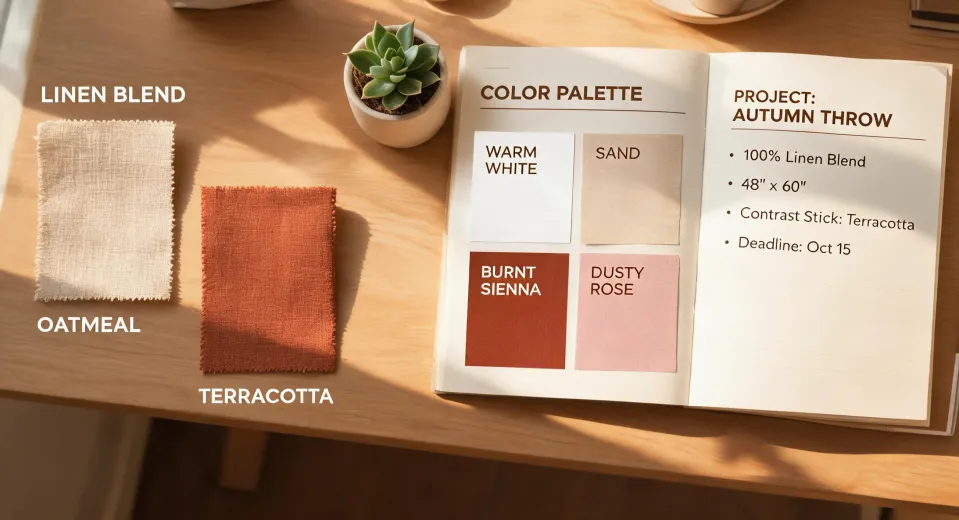
You've probably seen Romo Linara fabrics in a lot of mood boards. It's a textured plain weave that looks and feels like linen, but it's actually a blend of viscose and polyester.
Here's the thing: real linen wrinkles beautifully, but it also stains easily and can be a nightmare to clean in a high-traffic space. Linara mimics that natural, slubby texture you want from a relaxed linen look, but it's way more durable. It's a no-brainer for upholstery on sofas or armchairs where you want a natural aesthetic without the maintenance headaches. I've seen it specified everywhere from boutique hotels to residential lounge suites—it's versatile.
3. How does Romo velvet compare to cheaper velvet options?
All velvets are not created equal. The frustrating part of comparing velvets without seeing them in person is that photos rarely show the pile crush or the sheen shift.
Romo velvets—like their Vienna or Milan ranges—are typically a cotton-polyester blend with a dense pile. The density is the key. A cheap velvet might have a loose pile that flattens after a couple of months of sitting. Romo's velvets are engineered to maintain their texture. They also tend to have a higher rub count (Martindale), making them suitable for contract use. If you're comparing, ask for the Martindale figure and the pile density. If a vendor can't give you that, it's a red flag.
4. What fabric is considered 'knit,' and is it right for upholstery?
This one comes up because a lot of people confuse fabric construction with the end use. Knit fabric is any fabric made by interlocking loops of yarn—think of a t-shirt. They stretch and are very comfortable.
For upholstery, a knit structure isn't common for the main body of a sofa, because it lacks the structural stability of a woven fabric (like a twill or a dobby). However, you'll find knit backings on some performance velvets or stretch upholstery fabrics for curved furniture. If you're looking at a Romo fabric and it feels very stretchy, ask the showroom if it's engineered for upholstery or if it's a decorative drapery fabric. It's a distinction that matters for the final piece's longevity.
5. Is upholstery fabric easily available in New Zealand?
Upholstery fabric in NZ can be a bit of a geography game. Romo is a UK-based mill, but their distribution in New Zealand is solid. The key is knowing which local suppliers carry the specific group brands.
I've found that while high-end residential designers often source directly from UK showrooms for specific bespoke orders, for contract projects you're better off working with a local NZ distributor who holds stock of the Romo linara and core velvet lines. This cuts the lead time from about 4 weeks to 7-10 days. The bottom line: availability is good for the standard collection, but ordering a 'discontinued Romo fabric' or a Black Edition piece will require patience (and a shipping quote).
6. What's the catch with Romo outdoor fabrics?
Romo's outdoor collections are solution-dyed acrylics. They're fade-resistant and mold-resistant. But here's the catch: they aren't indestructible.
Every vendor will tell you their outdoor fabric is 'weather-proof.' What they don't always mention is that the thread used for stitching is often less resistant than the face fabric. So the fabric holds up, but the seams might fail after a harsh winter. My advice: for Romo outdoor fabrics, ask about the thread type used in their standard upholstery finishing, or specify a UV-resistant thread with your upholsterer. It's a small detail that makes a huge difference to the piece's lifespan.
7. Should I be worried about stocking 'discontinued Romo fabrics' for clients?
You're a good designer if you're thinking about future repairs. Romo, like any premium mill, discontinues colorways and patterns every 3-5 years to refresh their collection.
An informed approach is: when you order for a client, buy an extra half-meter or yard as a 'mending charge'—store it with the client's paperwork. If you don't have that, and the client needs a repair in 4 years, you're stuck. I've seen projects where we had to reupholster an entire sofa because we couldn't match a discontinued trim. The cost of that extra fabric now is a fraction of the hassle later.
I hope that clears up the main questions. Every project has its own set of variables, but understanding these core points should make your next specification—whether it's for a Romo velvet or a simple Linara weave—a lot more straightforward.