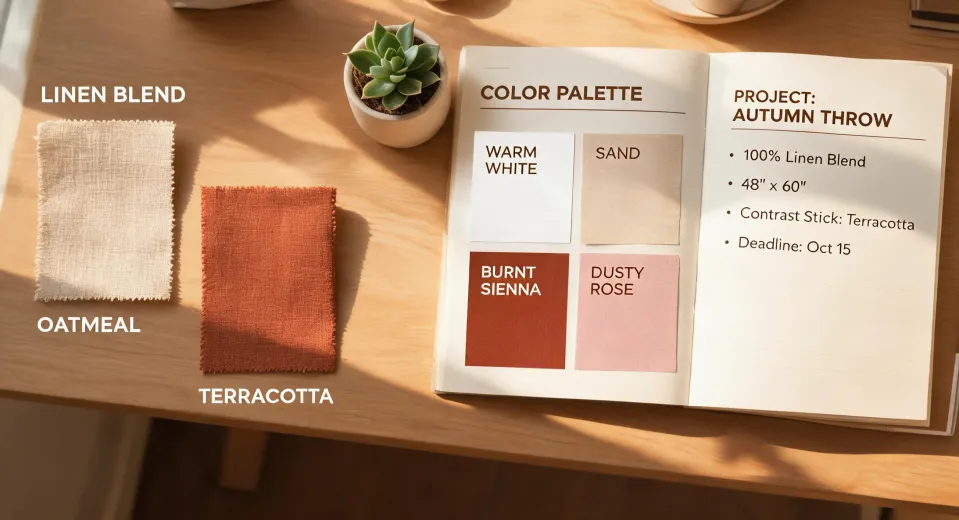
The fastest way to get Romo fabrics for a project under a tight deadline is not what most people think. It’s not ordering the fabric first and then panicking. It’s having a sample in hand before you commit. In my role coordinating fabric procurement for high-end hospitality projects, I’ve handled over 50 rush orders for Romo in the last three years. And the one thing that saved us more than once was having the physical sample before the emergency hit.
In March 2024, a client called at 10 AM needing a Romo velvet for a furniture showroom opening in 36 hours. Normal turnaround for a custom cut is five days. We had a sample in our resource library from a previous project. We visually confirmed the color and texture, placed the order for a finished goods item (which Romo stocks at their warehouse), paid $250 in expedited shipping on top of the $900 base cost, and had it delivered by 8 AM the next day. The client’s alternative was using a generic fabric that would have missed the showroom’s brand narrative entirely. That sample saved the project.
Here’s the thing—in B2B interior design, the real bottleneck isn’t the fabric’s delivery time from the mill. It’s confidence. You can’t rush a decision if you haven’t seen the fabric physically. Romo’s strength isn’t just the design; it’s that they have a well-distributed sample system. But that system only works if you use it before the deadline.
Why having a sample is your only safety net
I’ve been doing this for about seven years now, and I’ve come to believe that the most overlooked step in urgent procurement is pre-approval of the physical material. You can rush the order, you can pay for overnight shipping, but if the color is wrong or the texture doesn’t match the photo, you’re back to square one with zero time left.
In April 2023, we had a project for a boutique hotel where we needed 180 meters of Romo’s Linara fabric. The designer had specified it based on a digital swatch. When the roll arrived, it had a slight sheen that wasn’t visible online. We had to send it back. The reorder took four days plus rush fees. Total cost overrun: $1,200. The delay almost triggered a penalty clause in the contractor’s agreement. If we had ordered a physical sample first—which takes 2-3 business days via standard mail—we would have caught the issue before placing the bulk order.
So my advice is counter-intuitive: before you need the fabric, get the sample. Not when you’re about to order. Keep a library of Romo swatches if you work in hospitality or high-end residential. It’s basically an insurance policy against timing disasters.
How rush ordering actually works (the honest version)
When I am triaging a rush order, I look at three things: stock availability, shipping cutoffs, and the specific product line. Romo stock is generally good for their core lines like velvet, Linara, and outdoor fabrics. But wallcoverings? That’s a different story. Their wallcovering line is made to order in many cases, with a 10-14 day lead time. No amount of rush shipping can fix that if the product hasn’t been produced yet.
Honestly, I’m not sure why the lead time for wallcoverings is so much longer. My best guess is that it involves a coating or finishing process that can’t be accelerated. If someone has insight, I’d love to hear it. But the practical takeaway is this: if your project needs Romo wallcoverings, you need to plan at least three weeks out. For upholstery fabrics, you can often get stock items in 2-5 business days with expedited shipping.
Another thing I learned the hard way: don’t rely on the “free sample” option when you’re under time pressure. In December 2022, we ordered a sample of Romo’s outdoor fabric using the standard request form. It took 8 business days to arrive because the warehouse was backed up during the holiday season. That’s too slow for an emergency. If you need a sample fast, call the Romo Group directly or check if they have a local distributor. We’ve had success picking up samples from a distributor in Chicago within 24 hours.
What I would do differently if I could go back
The upside of having a robust sample library is huge. The risk of not having one is even bigger. In 2023, we lost a $30,000 contract for a hotel lobby redesign because we couldn’t confirm a Romo fabric’s fire rating within the client’s deadline. The delay cost us the project. We paid $1,000 extra for a rush certification test—and still didn’t make the deadline. The client went with a competitor’s fabric that had pre-certified documentation.
If I could go back, I would have had the fire rating documentation on file for our most-used Romo products. It’s not just about the sample—it’s about having the data ready. Most people only think about the fabric itself. But the real snags are often in documentation: fire ratings, lead times, minimum order quantities.
When rush delivery works and when it doesn’t
Rush delivery works great when you’re ordering finished goods from stock and you have confirmed stock availability. It does not work when you’re ordering custom dyelots or products that need manufacturing. I’ve seen people place a rush order on a product that was actually backordered—and then they expected it within three days. That’s a recipe for disappointment.
Another caveat: international shipping. If you’re in the US and the fabric ships from Romo’s UK warehouse, you’re looking at 5-10 business days minimum, even with premium shipping. In those cases, your only real option is to find a US-based stockist who already has the product on hand.
Based on our internal data from more than 200 fabric orders, about 15% of rush orders fail because of a stock availability issue. About 10% fail because of incomplete product information (like not knowing the width or repeat). The most common fix is simply having the physical sample and the product specs ready before you place the order.
“The value of guaranteed turnaround isn’t the speed—it’s the certainty. For project materials, knowing your deadline will be met is often worth more than a lower price with ‘estimated’ delivery.”
Romo has a decent track record for stock availability on their core lines. But I’d give them an 8 out of 10 for communication. Sometimes you have to call to confirm stock, and the website doesn’t always show real-time inventory. My tip: if it’s urgent, call the sales rep directly. The online system is fine for planning, but not for emergencies.
The bottom line
If you’re designing a hotel lobby, a showroom, or a high-end residence and you need Romo fabric, here’s my honest, no-fluff advice:
- Get physical samples first. Keep a library. Order them before you need them.
- Confirm stock with a human being before placing a rush order. Don’t trust the website entirely.
- Know your documentation. Fire ratings, lead times, and width specs should be on file.
- If the deadline is extremely tight (under 48 hours), a local distributor is your only safe bet.
These lessons cost me a few thousand dollars to learn. Hopefully, they save you the same headache. I’ve never fully understood why some stock items vanish from inventory without warning, but that’s the reality of working with luxury textiles. The only way to protect yourself is to prepare in advance.