Go straight to a specialty textile shop near me—and you’ll save 12 to 48 hours
I’m a senior project coordinator at a mid-sized commercial interiors firm. Over the last five years, I’ve handled roughly 300 rush orders for hotel, restaurant, and residential projects. When a client calls at 3 p.m. needing 120 yards of romo velvet fabric for a lobby refresh that was supposed to have been approved three weeks ago—and the install is in two days—the fastest reliable path is a dedicated textile shop near me. Not the general home center. Not the cheapest online listing.
Here’s what I’ve learned from those scrambles—and what I wish I’d known when I first started.
My first mistake (and the one I still see beginners make)
When I first started sourcing upholstery fabric, I assumed that any store with “fabric” in its name could handle an emergency romo velvet order. I thought textile shops near me were all basically the same—just different price points. That assumption cost me a $1,200 reorder and a very upset client.
What happened: I found a shop that listed romo velvet fabric online. They had a decent price. I ordered. Two days later, they called to say the colorway wasn’t in stock—it would take another week. The client’s project was a hotel lobby soft opening. That week would have killed the timeline. I ended up buying a different romo grade from a different supplier at a 30% premium, paying overnight freight, and rushing samples to the client for approval. The shop’s online inventory system simply hadn’t been accurate.
The lesson: not every shop that carries romo can deliver romo velvet fabric on a deadline. The ones that can—they know their inventory by roll, not by system. They can tell you, without looking up, whether they have 50 yards of Linara 4321 in stock.
What actually works when you’re in a hurry
In my role triaging rush orders, I’ve developed a three-step process that’s saved me (and my clients) dozens of panicked phone calls.
- Call first, don’t browse. A textile shop near me that specializes in decorative fabrics can answer one question in 30 seconds: “Do you have 50 yards of romo velvet fabric in stock, or can you get it within 24 hours?” That question alone eliminates half the options.
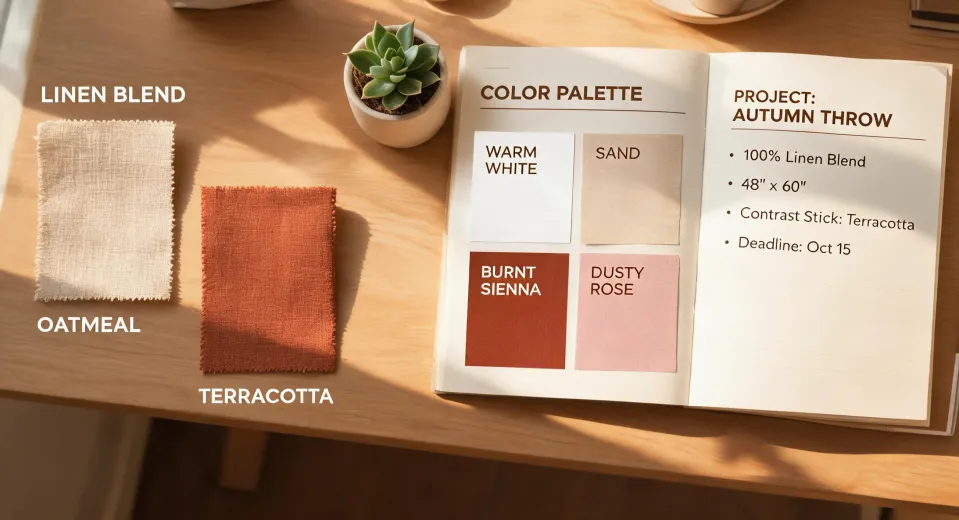
- Bring a sample or a swatch reference. Color names vary by batch. I’ve had a supplier say they have “Classic Red” when what they had was a deep crimson—close but not right. Having a physical reference (even a photo) cuts that error rate down significantly.
- Ask about alternatives. If the exact romo velvet fabric isn’t available, a good shop will say, “We have a twill from the same collection that’s in stock, and the color is pretty close—would you like to see it?” That’s saved me three times in the last year alone.
Let me rephrase that last point, because it’s important. A vendor who says “this isn’t available, but here’s what we can do” is worth more than one who says “I can get it for you in a week.” I’ve learned to trust the ones who are honest about their limits.
But what about jersey knit fabric? Isn’t that different?
That’s a great question—and honestly, it’s one I see a lot from people searching “what is jersey knit fabric used for” or “clothing or upholstery fabric.” Jersey knit is a different animal. It’s a stretchy, single-knit fabric commonly used in t-shirts and athletic wear. Some upholstery lines use it (for its flexibility), but it’s not a standard romo offering for heavy-use seating. If your project calls for romo velvet fabric—stick with velvet. If you need a jersey knit, you’re probably looking at a different product category altogether. (I made that mistake once. Bought jersey knit for a dining chair reupholstery. Didn’t work. Had to reorder.)
Two hidden costs that catch people off-guard
Everything I’d read about rush fabric ordering said to budget for premium shipping. That’s true. But there are two cost traps I see designers fall into repeatedly:
- Cutting and handling fees. If you’re ordering partial rolls (e.g., 35 yards from a 60-yard roll), some shops charge a per-cut surcharge. I’ve seen fees of $15–25 per cut. That adds up fast for a large project.
- Sample rush fees. If you need a physical sample overnight to get client approval before ordering the full quantity—that’s a separate expedite cost. Budget $25–60 for that step, depending on the shop.
Based on quotes I received from three specialty decorative fabric suppliers in Q4 2024, the total premium for a rush 50-yard romo velvet order (shipping within 24 hours, plus cutting fees) was between $180 and $350 above standard pricing. That sounds steep—but compared to a $2,000+ penalty for missing a project deadline, it’s a bargain.
When NOT to rush—and what to do instead
This is the part that most guides skip. I don’t think it’s wise to rush every order. Here are two scenarios where rushing backfires:
- You need a specific colorway that’s discontinued. I’ve had a client insist on a romo velvet that was no longer in production. We spent two days trying to find deadstock. We should have pivoted to a current collection on day one. If a trusted shop says “we can’t get that,” believe them and move on.
- You’re mixing batches. If you’re adding to an existing order and need color consistency, rushing can backfire because dye lots vary. I keep a rule: for matching orders, I build in a 3-day buffer for sample approval, even on urgent projects.
That said, if it’s a new project, a standard romo velvet, and you have a 48-hour window—go ahead. The process above works.
Bottom line (plus a quick checklist)
I used to think that finding a textile shop near me that carries romo was the hard part. It’s not. The hard part is finding one that’s honest about inventory, fast on cutting, and willing to recommend alternatives when your first choice isn’t available. When you find that shop—hold onto them.
- Call first; ask about stock in the exact romo product you need.
- Bring a reference swatch or photo.
- Ask about alternatives before you need them.
- Budget $180–350 extra for a 50-yard rush order (based on Q4 2024 pricing).
- If they say “we can’t do it,” pivot immediately.
Pricing is based on quotes from three specialty decorative fabric suppliers, December 2024. Verify current rates with your supplier. Actual costs vary by location, shipping method, and order size.