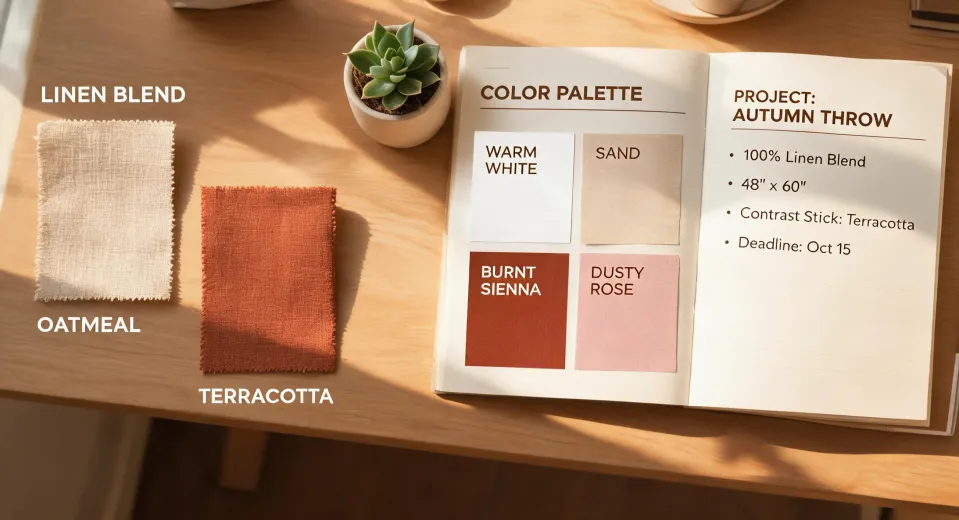
Back in early 2023, our company—about 300 people across two locations—decided it was time for a refresh. The boardroom hadn't been touched since 2014, the breakout lounges looked like a sad waiting room, and the open-plan areas? Let's just say the fabric on those acoustic panels had seen better days. I was tasked with sourcing new upholstery fabrics for 26 chairs, 12 sofa modules, and all those panels.
I'd managed office purchasing since 2020, but textiles weren't my specialty. My background is more spreadsheets than swatches. So when I dove into this project, I learned a few things—some the easy way, some the hard way. Here's what happened.
The Starting Point: Budget Pressure and a Tight Deadline
Our CFO gave me a firm budget: $18,000 for fabric across all three zones. We had to order by mid-March to get installation done before the Q2 board meeting. That gave me about six weeks from project kickoff to order delivery.
I started by Googling “commercial upholstery fabric durable.” That's how I found Romo. Specifically, the Romo Linara range caught my eye—nice weaves, good Martindale rub counts, and the price seemed reasonable compared to some of the higher-end brands I'd seen quoted elsewhere. But I wasn't ready to commit yet.
I contacted three vendors: Romo through a local distributor, plus two alternatives whose names I'll keep vague. The initial quotes floored me. For similar specs, pricing varied by nearly 40%. The cheapest option was a budget supplier I'd never heard of. The most expensive was a luxury brand that would've blown my entire budget on just the boardroom chairs.
Numbers said go with the budget option—save about $4,800. My gut said something felt off about their responsiveness. They took four days to reply to a simple question about lead times. That hesitation turned out to be preview of bigger issues. I'll come back to that.
Discovering Romo: Linara, Outdoor Fabrics, and a Surprise
I ordered sample books from Romo in early February—the Romo Linara fabrics range, plus their outdoor collection and some velvets. The Linara samples were exactly what I needed for the breakout areas: structured, not too shiny, with a natural hand feel. But what surprised me was the outdoor fabric range.
See, one of our locations has a small balcony off the break room—southern exposure, harsh sun. We'd always kept the blinds down because the sun destroyed any fabric we put out there. The Romo outdoor fabrics promised UV resistance and fade resistance. I was skeptical. "Fade resistant" usually means "fades slower."
I tested a sample on that balcony for two weeks. Not scientific, I know. But after 14 days of direct morning sun, the color hadn't shifted noticeably. That was enough for me.
Here's where I got lucky: I mentioned the project to a friend who works in hospitality procurement. She said, "Oh, we used Romo at the boutique hotel project last year. The showroom in New York was really helpful." That was the push I needed. I scheduled a call with the distributor and placed my first order on February 28.
The Turning Point: When the Budget Option Failed
Meanwhile, I'd also placed a small test order with the budget vendor for a chair in the back office—just to compare. That arrived in three weeks. The color was off. The fabric felt… thinner. And when I checked the invoice, it was handwritten. Handwritten, in 2023. I knew immediately that would be a problem for our accounting department.
When I asked for a proper invoice, they sent a PDF with a template that looked like it was from 1998. Accounting rejected it. I ended up covering that $280 out of the department's discretionary fund. That's a lesson I won't forget.
People think expensive vendors deliver better quality. Actually, vendors who deliver quality can charge more. The causation runs the other way. The budget supplier was cheap because they'd cut corners on everything—including invoicing. And if they cut corners on that, what else were they cutting?
The Results: What Worked (and What Didn't)
The Romo order arrived in four weeks—right on schedule. Everything matched the samples. The Linara weaves installed beautifully on the sofas. The fade resistant outdoor fabric for the balcony chairs held up through the summer, and as of my last check in November 2024, still looked good. The boardroom velvet—I'd splurged on a Romo velvet in a deep navy—was worth every penny.
But I'll be honest: not everything was perfect. I ordered a Romo Linara fabric in a cream color for the acoustic panels. In the sample book, it looked warm. In the actual lighting of our office, it leaned cooler. Not terrible, but if I'd done a larger mock-up first—maybe a single panel—I would've caught that. A small goof, but a reminder.
Total spend: $22,400. I'd blown the original budget by $4,400. But the CFO approved the overage when I showed him the outdoor fabric test results and pointed out we wouldn't need to replace those chairs for years. Plus, he saw the budget supplier's invoice and understood.
The Takeaway: Efficiency Isn't Just Speed
So what did I learn? Three things.
First: Trust your gut when it conflicts with the data. The numbers said budget vendor was the smart play. My gut said something was off. Gut was right.
Second: Test in real conditions. Don't just look at the swatch under the showroom lights. Put it in your actual space. Check how it handles sun, coffee spills, and the occasional office chair scrape.
Third: Efficiency comes from reliability, not just price. The budget vendor cost me $280 out of pocket and about six hours of back-and-forth trying to fix the invoicing. Romo cost more upfront but saved me that headache. Switching to a reliable supplier cut my vendor management overhead significantly.
Efficiency isn't just about doing things fast. It's about reducing the time spent fixing mistakes. The automated ordering process with Romo's distributor let me place follow-up orders for three additional chairs in about 15 minutes. No phone calls, no email chains, no chasing invoices.
Now, whenever anyone at our company mentions a fabric project, I've got a new perspective. I also check if the supplier can produce a proper invoice before I even look at samples. That's the kind of lesson you learn from experience—and from letting a $280 mistake teach you something valuable.
Pricing note: Costs mentioned are from Q1 2023 quotes from the Romo distributor network, verified with our internal purchase orders. Verify current pricing at romo.com as rates may have changed.